Low-altitude economy, starting from K12
K12
Enterprise
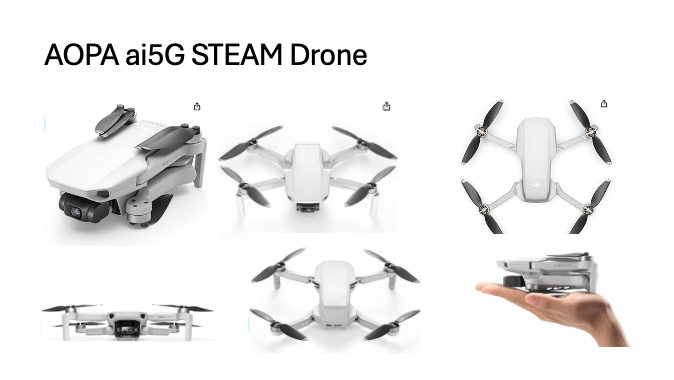
STEM 5G無人機
STEM 編隊表演
STEM 編程無人機
無人機足球//
Students will be operating 5G drones, learning how to do drone formation, coding drones, drone soccer etc..
智慧城市
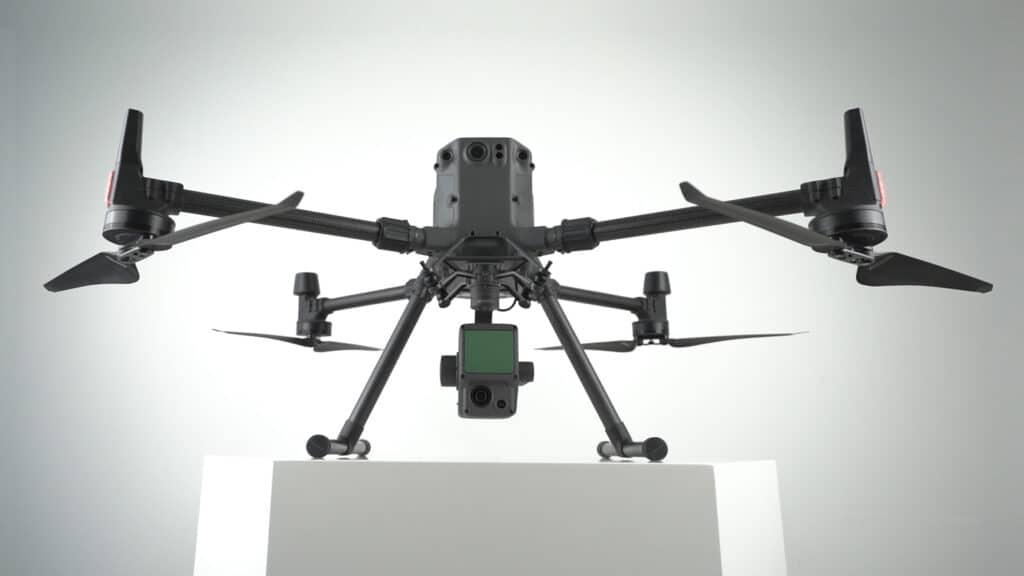
所有紀律部隊: 警察, 消防, 地政, 水務
環保, 測量…
物流: 順豐
表演: 維港表演
建築
This pathway focuses on the smart city: gaining practical skills that will equip them with jobs in the smart city.
Gaining experience doing inspections needed in all disciplined services including
The Low-altitude economy is an up and coming economy that utilises UAV and UAM to increase efficiency and create opportunities. Students would be exposed to the low-altitude economy from a young age, making it very advantageous for them in the future of upcoming opportunities.
The key components in the low-altitude economy include drones and UAVS: increased delivery services, agriculture, and infrastructure inspection are set to give rise to many new jobs and increased efficiency in logistics.
- Delivery Services: Companies like Amazon and UPS are exploring drone delivery for faster, more efficient shipping, particularly for last-mile logistics.
- Agriculture: Drones are used for crop monitoring, spraying pesticides, and collecting data to optimize yields.
- Infrastructure Inspection: Drones provide a safer, more cost-effective way to inspect infrastructure such as bridges, power lines, and pipelines.
With the Low-Altitude economy, we are also set to see an increase in UAM, urban air mobility, including with talks and projections of upcoming passenger drones and air ambulances.
- Passenger Drones: Companies like Uber and Airbus are developing air taxis to reduce urban congestion and provide quick transportation within cities.
- Air Ambulances: Rapid medical response using drones to deliver essential supplies and transport patients in emergencies.